
Orlando house tint
Home Window Tinting in Orlando
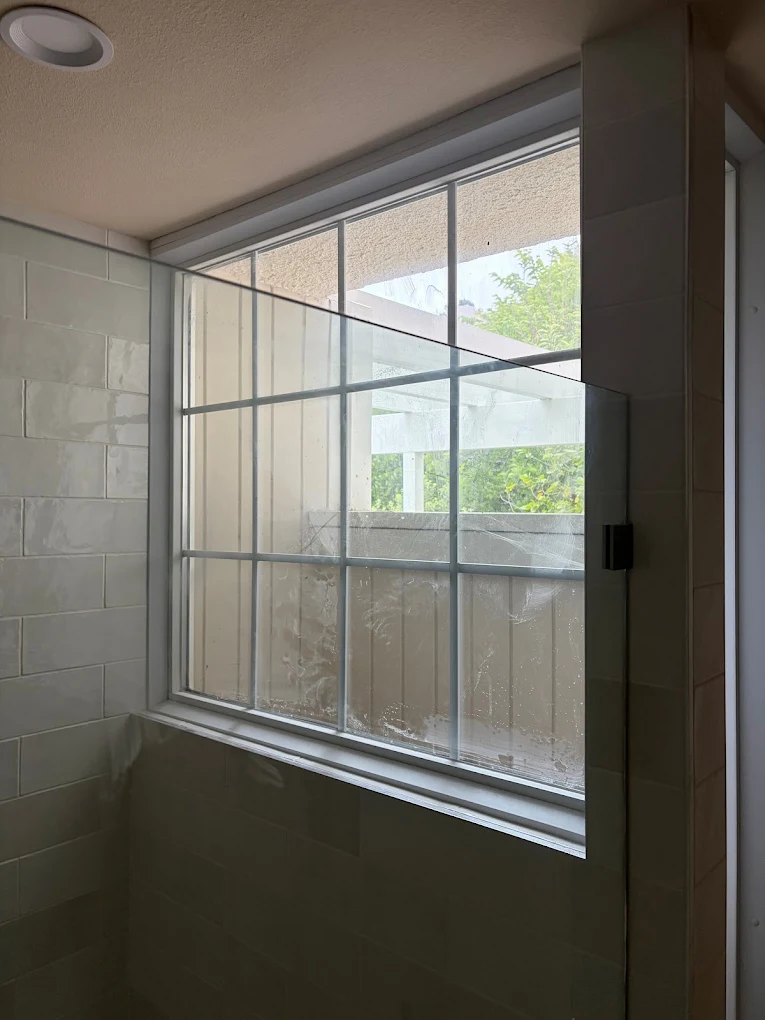
Most Orlando homeowners ask us about one room first: the west bedroom, the family room behind the pool sliders, the upstairs office that bakes before the afternoon storm. Home window tinting fixes those panes and leaves the rest of the house bright.
 Orlando
Why Orlando Houses Need Home Window Tinting
A house in Orange County gets hit from two directions every summer day. Morning sun climbs over the trees and pours into east kitchens and breakfast nooks while the air is already muggy. By late afternoon, once the thunderstorm has rumbled past, the western sky clears and a low sun lights up bedrooms and living rooms until eight in the evening. In June the noon sun is nearly overhead, so eaves shade much of the south glass. The east and west panes take the real beating.
Humidity makes the heat harder to escape. Nights rarely drop far enough to flush the warmth out of block walls and tile floors, so a room that soaked up sun all afternoon is still warm when you go to bed. Tinting those windows means less heat gets stored in the room to begin with, and the thermostat setting actually holds in the rooms that used to run hot.
Home Window Tinting for Orlando's Housing Styles
The right film depends on the house. Concrete block ranch homes built in the 1950s and 1960s, the kind that fill Audubon Park, Azalea Park and much of the near east side, usually have single-pane aluminum windows. Many still have jalousie louvers on a Florida room. Single-pane glass takes most films well, and the improvement is easy to feel, though narrow jalousie slats take careful cutting.
The 1920s bungalows of College Park and Thornton Park have wood sashes, sometimes with old wavy glass worth keeping. Clear or lightly tinted film protects the floors without changing the character. Two-story stucco houses built more recently in Lake Nona, Winter Garden, Oviedo and Clermont tend to have insulated, often low-E glass, and a wall of sliders onto the screened pool enclosure. Insulated units need a film that is approved for them, which is the first thing we check.
Condos and townhomes add another layer: association rules, shared walls, and windows that face a parking lot or the unit across the courtyard. We work within whatever the association requires. Many condo boards in downtown Orlando and around Lake Eola specify a film shade or reflectance for the whole building. We confirm those requirements before quoting so the unit matches its neighbors.
Choosing Window Tint Film for Each Room of an Orlando Home
We rarely put one film on every window. West bedrooms and the great room behind the lanai sliders get the strongest heat rejection the homeowner is comfortable looking through. North windows, which see little direct sun, may get a clear UV layer or be skipped entirely. Bathrooms and rooms facing the sidewalk often get frosted or one-way privacy film. Front doors, sidelights and ground-floor sliders are where security film earns its keep.
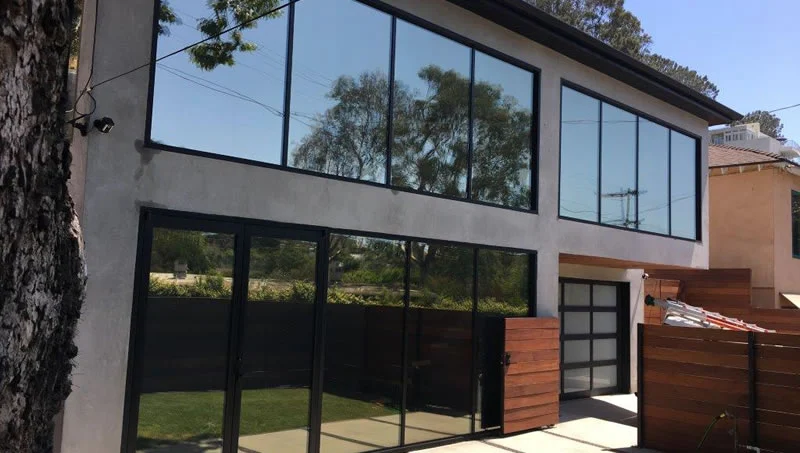
Looks matter too. Selective films hold back plenty of heat and still read as almost untinted, so the view of the pool or the lake stays sharp. Reflective films reject more but give a mirror look by day and can show reflections inside at night. We tape samples to the actual glass so you can stand in the room and decide.
- Heat control film on west and east glass
- Clear UV film where fading is the main concern
- Privacy film for bathrooms and close neighbors
- Security film on sliders, back doors and sidelights
Orlando HOA Rules and Window Tinting Approval
Much of greater Orlando lives under a homeowners association, from the big master-planned communities in Lake Nona, Horizon West and Celebration to small subdivisions in Oviedo and Lake Mary. Most architectural guidelines say little about clear or lightly tinted film. The trouble starts with mirror-finish or colored film that looks different from every other house on the street.
If your HOA wants to review the film before installation, we send the product data sheet, a photo of the sample on your glass and the exterior reflectance figure. Neutral, low-reflective films are approved almost everywhere. Inside the City of Orlando's historic districts, film applied to the inside face of the glass rarely raises concerns, but it is still worth asking city preservation staff first.
Home Window Tinting Results in Orlando Houses
Cooler West Bedrooms in Orlando Homes
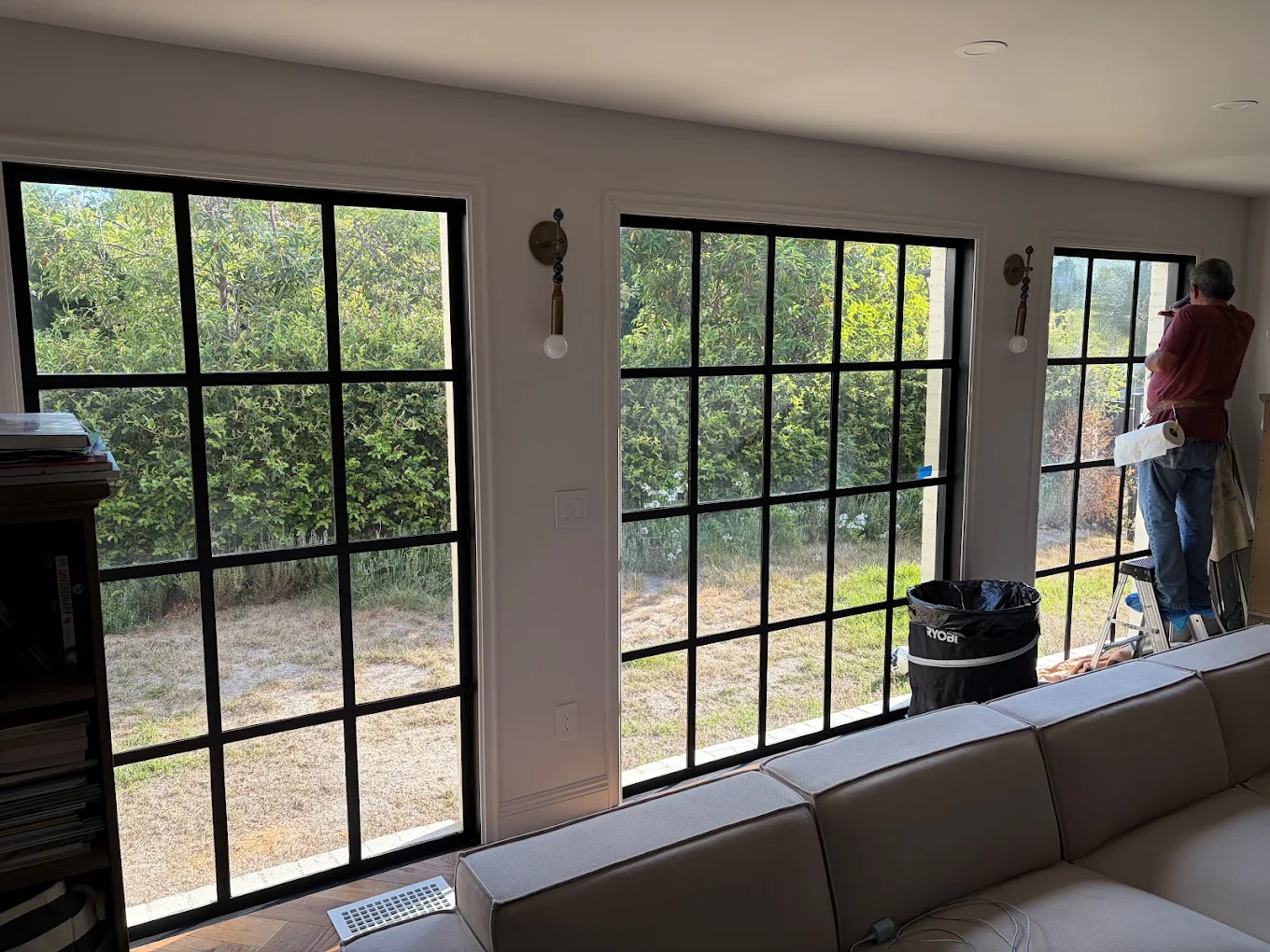
Film on the west glass cuts the late-day solar heat that keeps bedrooms warm past bedtime. Rooms stay closer to the thermostat setting, and the AC stops running nonstop through the hottest stretch of the evening.
Less Fading Behind Tinted Windows
Home window tint blocks almost all ultraviolet light. Wood floors, rugs, leather sofas and artwork in sunny rooms keep their color far longer, and around Orlando the sun is strong in nearly every month, not just summer.
Privacy for Close Orlando Neighbors
Many newer Orlando subdivisions put houses only a few feet apart. Privacy and reflective films keep side windows and bathrooms from looking straight into the neighbor's house while still letting daylight through. That matters on zero-lot-line streets in Lake Nona and Horizon West.
Glare Control for TV Rooms and Home Offices
Tint cuts the low-angle sun and the shimmer off pools and lakes that washes out TV and laptop screens. Blinds can stay open, so the room keeps its view of the yard or water.
Orlando Home Window Tinting Questions
What does home window tinting cost in Orlando?
Film choice, total glass area, pane count and access all move the price. A house with a few large sliders costs less per square foot than one with dozens of small panes or second-story glass over a pool enclosure. Enter sizes on the quote form for a price.
Can I tint the dual-pane windows on a newer Orlando house?
Yes, with a film rated for it. Sealed units can crack from thermal stress if a film absorbs heat too aggressively. We identify the glass and choose a product the film maker approves for it, which also keeps their glass coverage in place.
Will tinted windows look mirrored to my HOA?
Only a reflective product gives that look. Plenty of residential films are low-reflective and read like ordinary glass from the curb, which suits most HOA guidelines in the Orlando area.
How many days does a whole-house tint job take in Orlando?
Most single-family homes are finished in one day. Large homes, many small panes, or high windows over stairwells can stretch into a second day.
Can window tint go on jalousie windows?
Yes, each louver is filmed separately. It takes longer than flat panes, and worn louvers with loose clips should be repaired first.
Window film quote
Schedule a Home Window Tinting Estimate in Orlando
Which rooms bother you, and at what hour? Put that on the quote form with approximate window sizes and the direction each room faces, and we will phone or email you with film choices for those rooms and a price for the house.