
West rooms, lanai sliders
Heat Control Window Film in Orlando
Orlando heat is not just hot air. It is sun coming through glass from April through October, landing on tile and furniture and staying there. Heat control window film stops a large share of that energy at the pane.
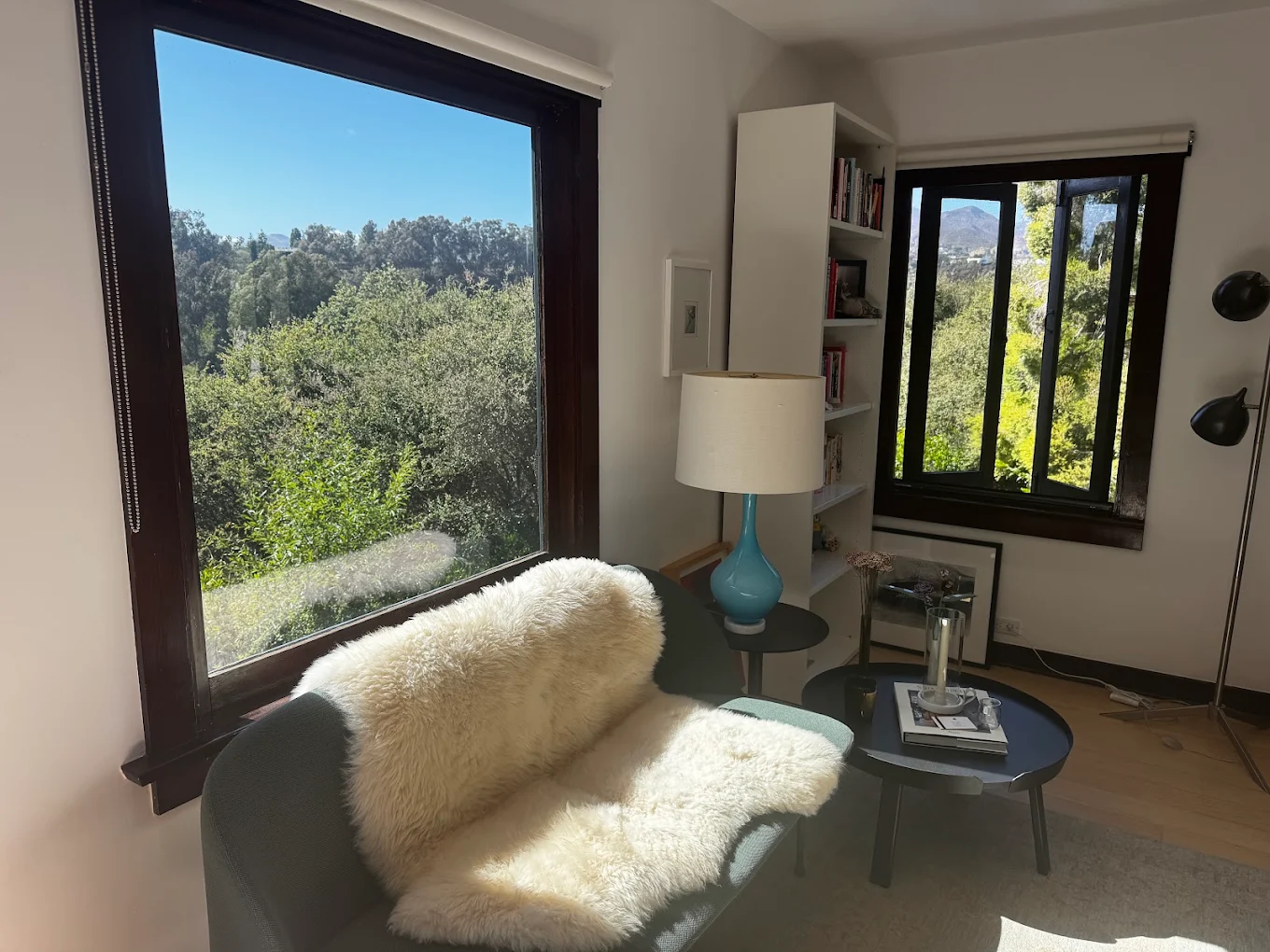 Orlando
How Heat Control Window Film Works in Orlando Sun
Sunlight carries energy as visible light, infrared and ultraviolet. Plain glass lets most of it through, and once it lands on a floor or a sofa it turns into heat that the air conditioner has to remove. Heat control film reflects or absorbs part of that energy before it gets into the room. Spectrally selective films target the infrared, which is invisible but carries a large share of the heat, so they cut heat gain while still letting in daylight.
Reflective films go further by bouncing back visible light too, which rejects more heat but makes rooms dimmer and the glass shinier. In Orlando, where the sky is bright even on a hazy day, many homeowners find a light or medium film is plenty. We show both types on your windows so you can see the difference in your own light.
The Hottest Windows in an Orlando House
The problem glass is usually easy to find. West-facing bedrooms and great rooms take the late sun after the afternoon storm clears, at a low angle that no overhang stops. East kitchens and breakfast nooks catch the first hours of sun while humidity is already high. Two-story homes in Lake Nona, Horizon West and Clermont often have tall windows over the stairs or the family room that turn the second floor into the hottest part of the house.
Sliders onto a screened lanai are a special case. The screen cuts some sun, but the pool deck throws reflected light and heat back toward the glass. Film on those doors keeps the room behind them usable through the afternoon. We also look at skylights and glass entry doors, which are small but sit in full sun.
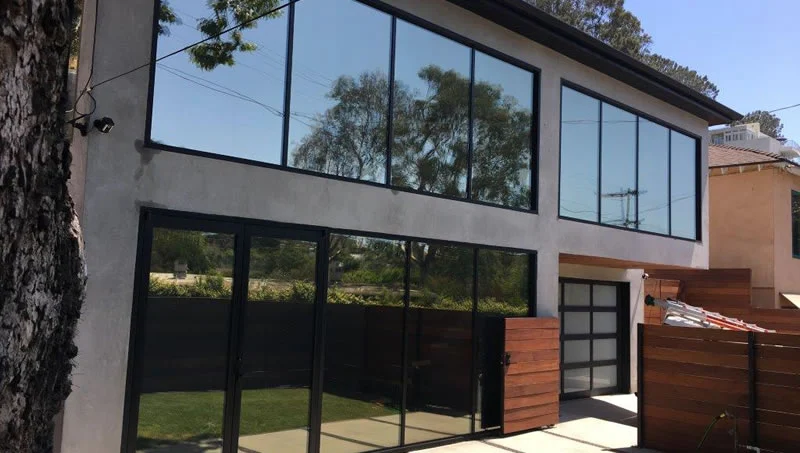
Heat Control Film for Older Orlando Windows
Single-pane glass lets more heat through than any other window type, which makes it the easiest place to see a difference. Concrete block homes in Audubon Park and the neighborhoods around Lake Underhill, and bungalows in College Park and Thornton Park, often still have their original single-pane windows. A heat control film turns those panes into something closer to a modern window for heat gain, at a fraction of the cost of replacement.
Older glass needs a careful look. Cracked or scratched panes, loose glazing putty and rotted wood sashes should be dealt with before film goes on. Historic wavy glass can take film, but a clear or very light product keeps its look. We point out anything that needs repair during the site visit.
Jalousie windows on older Florida rooms are a special case. Each louver is filmed on its own, and the overlap between slats is left clear so the louvers still close. It is slow work, but it turns a sunroom that nobody uses in August into one that is at least bearable.
Heat Control Film on Newer Insulated Orlando Windows
Most Central Florida houses built since the late 1990s came with sealed two-layer glass, frequently carrying a factory low-E coat. Put the wrong product on that unit and the inside lite can soak up enough heat to crack, especially on big west-facing panels or glass half-shaded by a lanai roof. Film makers publish which of their products are cleared for which glass build, and we stay inside those charts.
Even with good factory glass, a west wall of sliders can still overheat a room. A spectrally selective film approved for insulated glass adds a meaningful layer of heat rejection without changing the look. We confirm the glass makeup by checking the spacer labels or using a meter before recommending anything.
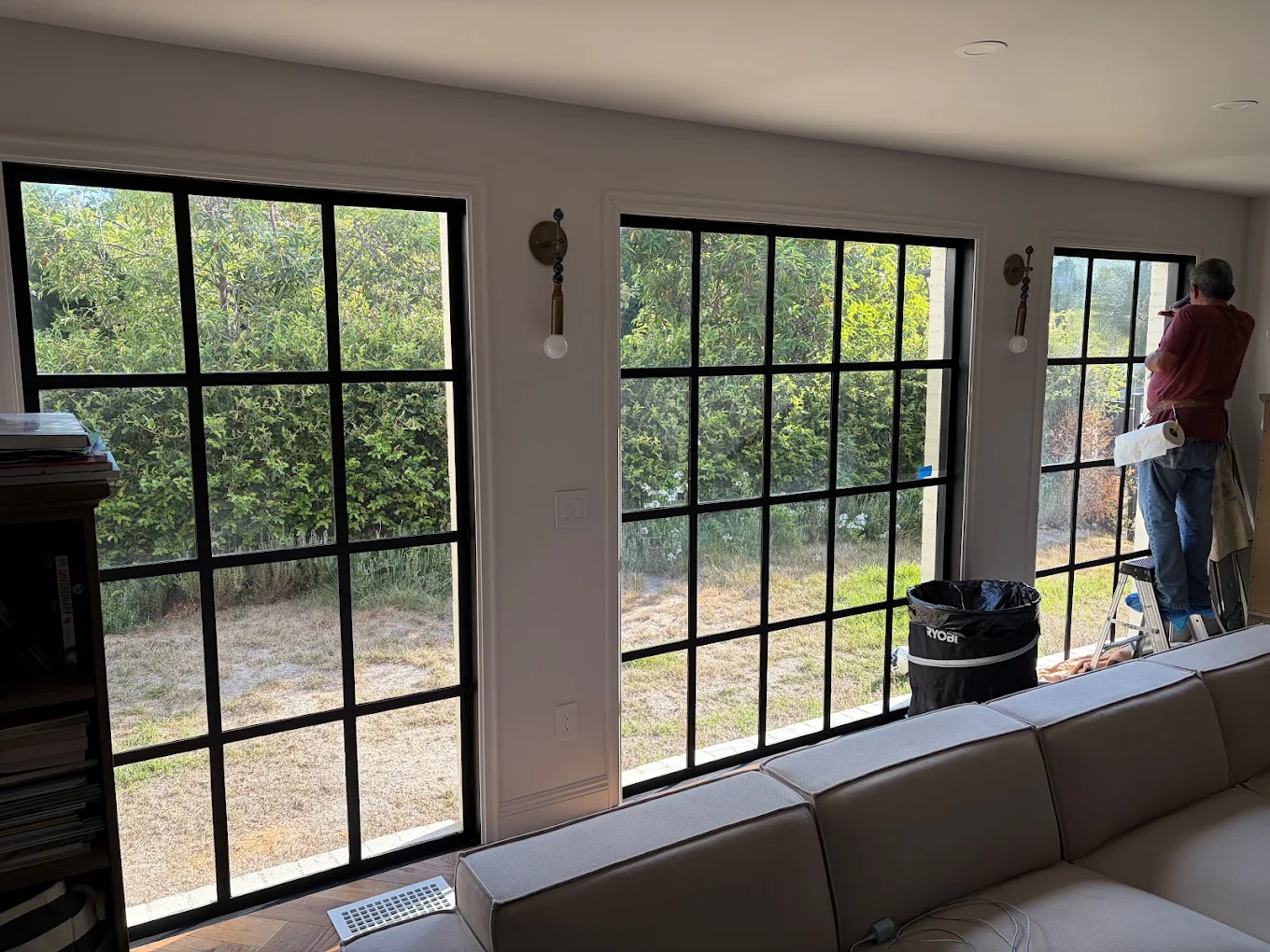
What Heat Control Film Does for Orlando Homes
Lower Room Temperatures Behind Sunny Orlando Windows
Film cuts the solar heat entering through east and west glass, so the rooms that used to run hot stay closer to the rest of the house through the afternoon and into the evening. Owners often notice it first in a west bedroom at bedtime.
Less Strain on Your Orlando AC
Your air conditioner already works hard removing humidity. Reducing heat gain at the windows shortens run times during the hottest hours, which eases wear on equipment that runs most of the year. In Central Florida that means equipment running most months of the year.
Daylight Without the Heat
Spectrally selective film turns away much of the infrared while letting the daylight keep coming. Rooms stay bright, the view of the pool or lake stays crisp, and blinds can stay open through the afternoon.
UV Protection Included With Heat Film
Heat control films also block nearly all ultraviolet light, so the same film that cools a room slows fading on wood floors, rugs and upholstery in sunny Orlando rooms. That double duty is why heat film is often the first choice for sunny rooms.
Orlando Heat Control Film Questions
What share of the sun's heat can film stop on an Orlando window?
That varies widely by product. Near-clear selective films stop a moderate share of solar heat, and darker or mirrored ones stop more. Each film carries a published total solar energy rejected figure, and we hand you those numbers next to the samples on your glass.
Does heat control film make an Orlando house feel darker inside?
Not always. Spectrally selective films look nearly clear. Darker films make rooms dimmer but also cut glare. Many homeowners pick different films for the west rooms and the rest of the house.
Could heat film crack the insulated glass in my Lake Nona or Clermont house?
Not when the film is cleared for that glass. Trouble comes from pairing a high-absorbing film with insulated or low-E units. We identify your glass first and stay within the film maker's compatibility guidance.
Does heat control film help in winter?
Orlando winters are short and mild. Some films also reduce heat loss on cold nights, but in Central Florida the main benefit comes from cutting summer heat gain.
Can I just film the west side of my house?
Yes. Treating only the hottest elevations is common and makes sense. We match the look on each elevation so the house still looks consistent from the street.
Window film quote
Price Heat Control Film for Your Orlando Rooms
Name the rooms that overheat and the hour they get worst, then give rough sizes on the quote form. Our reply lists heat control film options and a price.